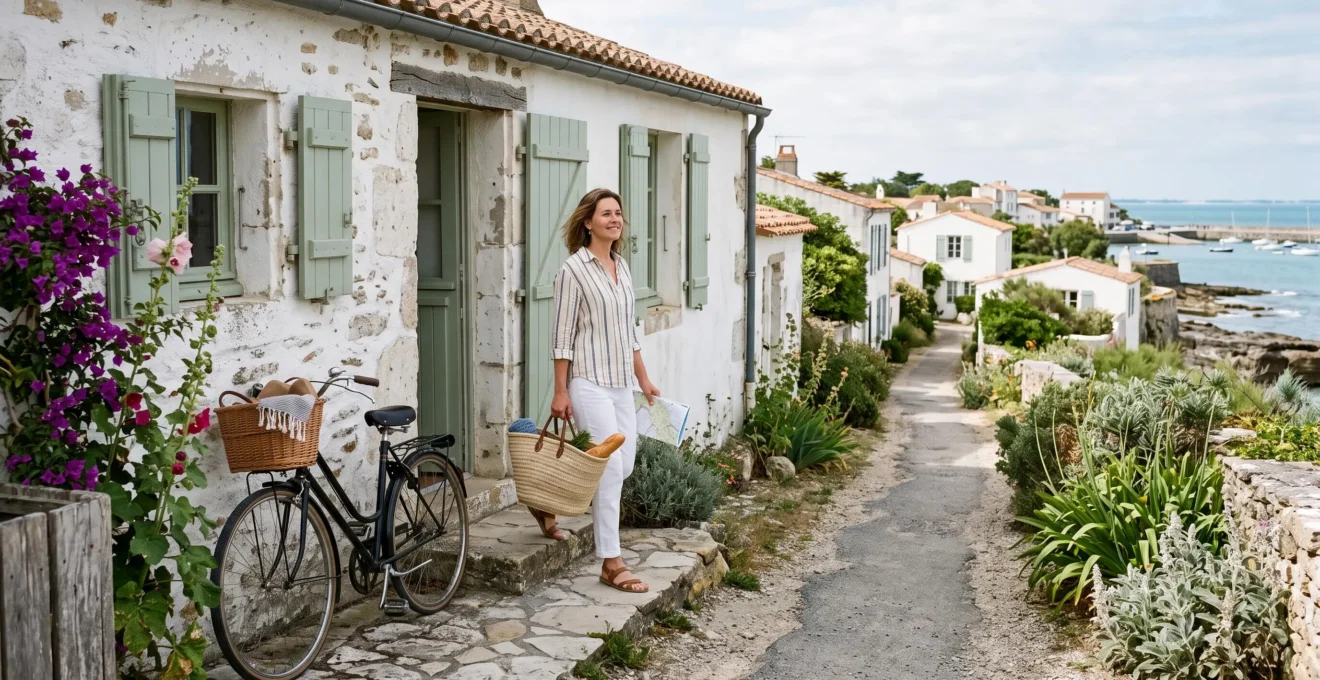
Direct answer: To make the most of a luxury villa stay on Île de Ré, plan your days by zone (so you don’t waste time crossing the island), start early for markets and beaches in peak season, use cycling as your default, and reserve only the few local experiences you truly care about—then leave space for villa time (pool, terrace, golden-hour dinners).
You’ve booked a beautiful villa—now the real question is how to live Île de Ré in a way that feels both high-end and genuinely local. The island rewards a calm rhythm: mornings out in the villages, afternoons that breathe, and evenings back at the villa when the light softens and the wind drops.
This guide is built for short stays and first-timers. You’ll get a simple way to choose where to go (and what to skip), how to move efficiently, and how to turn the villa itself into a daily highlight rather than just a place to sleep.
Your no-stress game plan for Île de Ré
- Group each day by one area (east / central / west) to avoid back-and-forth drives.
- In summer, hit markets and popular beaches early; keep afternoons for the villa or quieter stretches of coast.
- Use the bike as your “default transport,” and keep the car for targeted trips (arrival, groceries, specific plans).
- Pick 1–2 signature local experiences to book, then keep the rest flexible.
- Build villa moments into your schedule (terrace breakfast, post-ride swim, sunset aperitif).
What Makes a Luxury Villa Stay on Île de Ré Unique?
Île de Ré is not a “resort island” in the loud sense. What makes a luxury villa stay here special is the contrast: refined comfort at home, then a very grounded, rural-coastal day outside—whitewashed villages, salt marshes, vineyards, and working harbours.
Another advantage is the island’s compact scale. You can base yourself in one villa and still structure your days around different atmospheres—port life in Saint-Martin-de-Ré, marshland horizons near Ars-en-Ré, or long beaches along the southern coast—without feeling like you’re constantly “in transit.”
Local life is also discreet. The island experience often revolves around simple rituals: cycling, market runs, a beach window that matches the weather, and an unhurried dinner back at the villa. If you set your expectations that way—comfort + local discovery—you’ll avoid the most common mistake: trying to fill every hour like a checklist.
Local nature context: The official tourism office notes that Île de Ré is part of a Marine Natural Park created in 2015, with sensitive areas where activities can be restricted to protect wildlife and plants (cadre officiel de protection de l’île).
How to Plan Your Days Around the Island’s Rhythm
If you only remember one method, make it this: plan by time-of-day and by zone. Île de Ré is easy to explore, but you can still lose a lot of time if you zigzag between villages for a “quick stop.” Assign one area per day and build a realistic pace around it.
When is the best time to visit Île de Ré?
The best time depends on the rhythm you want. Summer is the liveliest for village atmospheres and beach life, but it also rewards early starts (markets and popular spots can feel busy later in the day). Spring and autumn typically suit a quieter stay—more space on cycle paths, easier parking, and a slower café pace in places like La Flotte or Ars-en-Ré.
For practical updates that change with the season—like what’s running, what’s open, and how the island is set up for visitors—use official channels as your reference point, especially when you’re timing a short trip.
How do you get around the island efficiently?
Think of the bike as your “on-island default,” then add a car only when it genuinely saves time (arrival day, large grocery run, or a specific plan that doesn’t pair well with cycling). The point isn’t to avoid the car—it’s to avoid friction: parking searches, short drives repeated three times a day, and constant repacking.
In summer, there are also specific public-transport adjustments designed to help visitors and residents move around. The Communauté de communes describes seasonal lines (including lines dedicated to pedestrians and cyclists crossing the bridge) in its update on adaptation estivale des transports locaux.
- Choose your “anchor village” for each day
Example: Saint-Martin-de-Ré for harbour life and boutiques; Ars-en-Ré for marsh landscapes and calmer evenings.
- Lock one morning priority
In July or August, make it a market or a specific beach window; outside peak season, make it a long ride between villages.
- Keep afternoons flexible
Reserve them for villa time (pool, nap, terrace reading) or for a short second stop nearby—no crossing the island “just because.”
- Plan the return like a ritual
Get back before dinner prep: shower, terrace aperitif, and a calm evening that feels like the reward.
Cas pratique
Imagine you’re staying 5 nights and you don’t want to overplan. Day 1 stays close to the villa for orientation (short cycle loop + beach). Day 2 anchors on Saint-Martin-de-Ré for a harbour morning and an easy afternoon back at the pool. Day 3 goes west toward Ars-en-Ré and the salt marshes with a long, flat ride. Day 4 is kept light: one booked experience in the morning, then a terrace dinner. Day 5 is your “free day” to repeat what you loved—because the most premium feeling is not rushing.
Exploring the Villages and Coastal Landscapes
If you have limited time, don’t try to “see the whole island.” Pick a few villages with different personalities, then connect them through the landscapes that make Île de Ré feel like Île de Ré: salt marshes, dunes, pine woodland, and long coastal horizons.
A simple pairing works well: one village for atmosphere (port, streets, cafés) + one landscape for breathing space (marshes, beach, forest). That combination tends to deliver the “authentic + refined” balance you’re looking for in a luxury villa stay.
Which villages should you prioritize if you’re short on time?
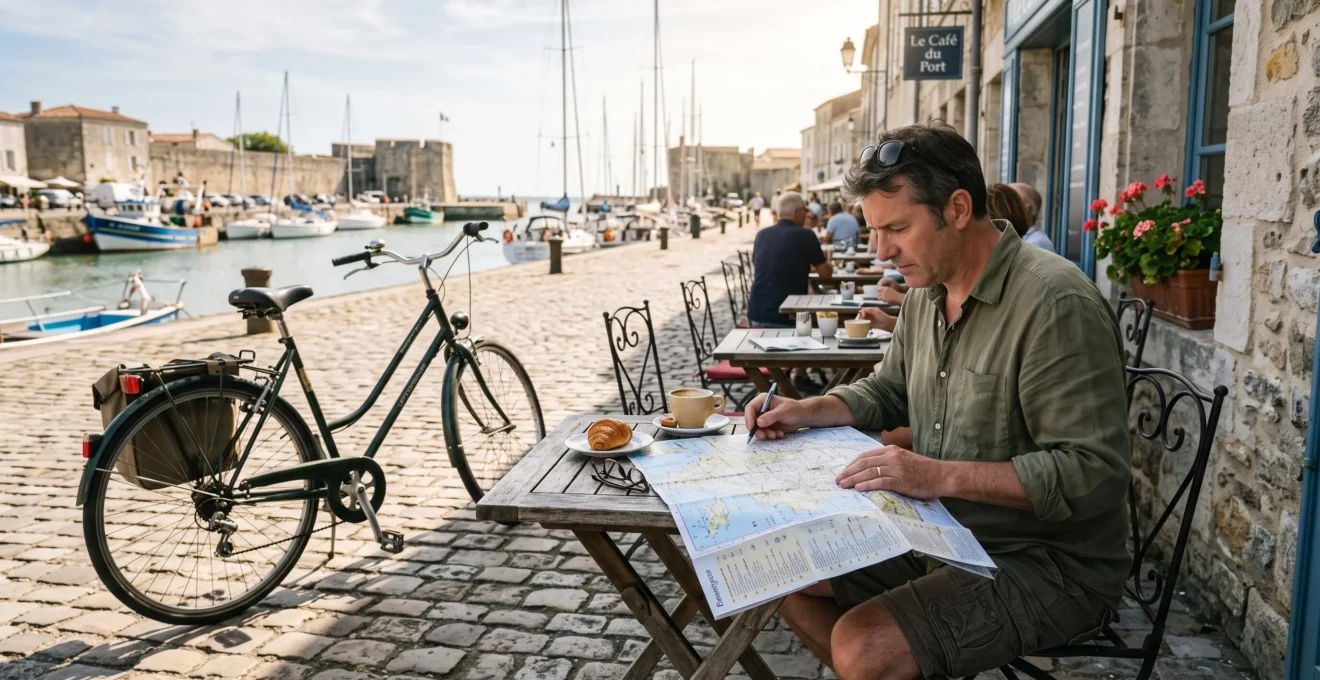
If you want a high-impact first impression, start with a harbour village where you can simply arrive, park once, and walk. Saint-Martin-de-Ré is a natural choice for that “stroll + coffee + harbour light” mood, especially late morning. Pair it with a nearby nature stretch later the same day to avoid turning the visit into a shopping-only stop.
For a different feel, head toward the west for a calmer, more open landscape. Around Ars-en-Ré, you can shift from village streets to marsh views in minutes, which makes it ideal when you want “less program, more place.”
What coastal landscapes are worth building a day around?
On Île de Ré, landscapes change quickly: beaches can feel wide and open in one area and more sheltered in another; inland routes can pass vineyards, then open to salt marshes. The sweet spot is choosing a route that links a village to a landscape, not just a destination to a destination.
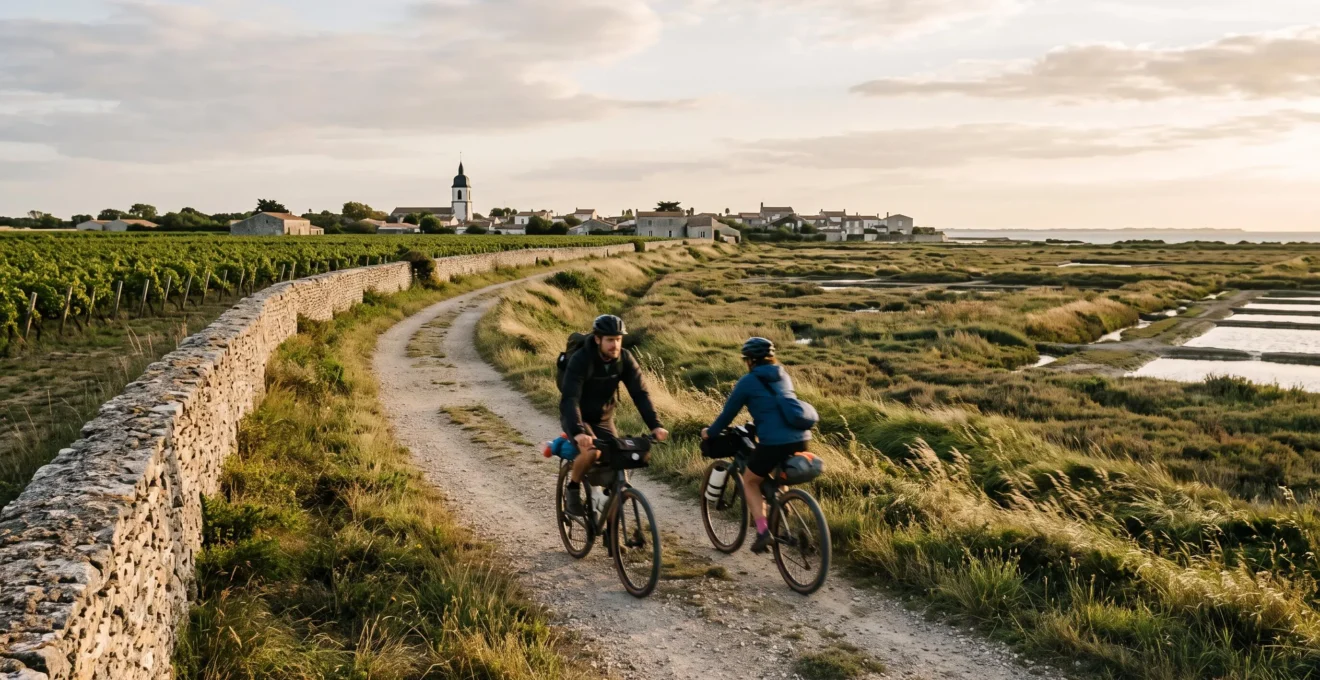
If cycling is part of your plan, aim for a loop that includes marshland in the afternoon light. It’s often the moment people remember most: flat trails, big skies, and a pace that makes the island feel intimate rather than “ticked off.” If you want extra inspiration for how village atmospheres can shape your itinerary, see this piece on village exploration.
- If you have 2–3 days:
Choose one harbour village (easy walk + cafés) and one “open landscape” day (marshes + beach). Keep everything else near the villa.
- If you have 4–5 days:
Add one west-island day (marsh focus) and one flexible day to repeat what you loved, rather than squeezing in a new village.
- If you have a full week:
Rotate pace: one big cycling day, one slow villa day, one booked experience day, and the rest built around markets + beaches at the right time of day.
Making the Most of Your Villa’s Amenities
The most common regret with a premium villa is spending your days “out” and only coming back when you’re tired. The villa is part of the destination—especially on Île de Ré, where light and wind change the feel of your terrace hour by hour.
Make villa time a real block in your plan, not what happens “if there’s time.” A morning swim before cycling, a late-afternoon pool reset, or a golden-hour aperitif can become the anchor that keeps the whole trip stress-free.
How do you make the pool and terrace feel like part of the trip?
Start by assigning them roles. The pool is ideal as a short reset between a morning outing and an evening plan. The terrace is perfect for the moments you don’t want to “dress up and go out” for: breakfast before the island wakes up, or dinner when you want to stay in the same mood you had all day.
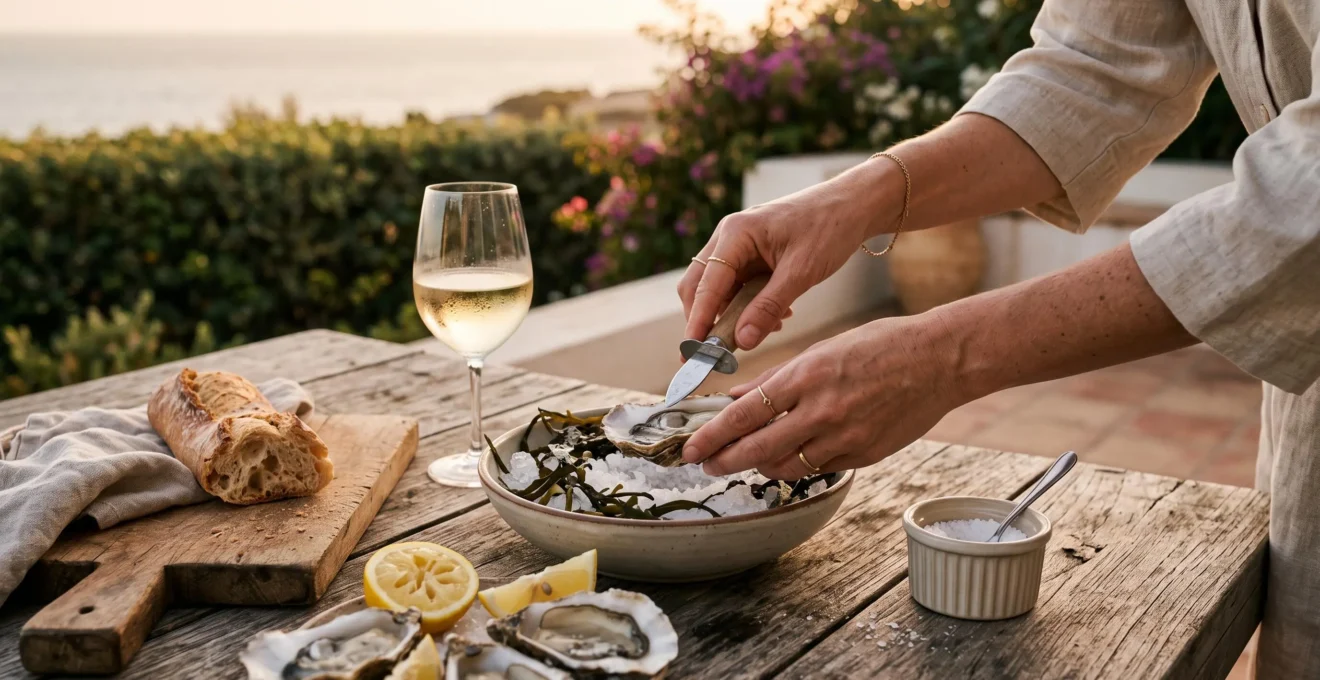
A simple, very Île de Ré way to do it: buy what you need in the morning market, then plan a terrace dinner with no rush. It’s not about cooking a masterpiece—it’s about timing: you did the lively part early, and you keep the evening quiet and beautiful.
What’s the practical routine that keeps your villa easy (not demanding)?
Keep it light and repeatable: terrace breakfast, one planned outing, one villa reset, one evening ritual. If your stay is in warmer months, check the pool setup when you arrive (cover, alarms, basic rules for your group) so you don’t spend day two “figuring it out.” In cooler or windier periods, treat the terrace like a short window you actively choose—midday sun can feel completely different from early evening.
Respect protected areas when you’re out exploring: Some sensitive natural zones are designated as reserves with restricted activities, so keep an eye on local signage when walking near dunes, marshes, or coastal nature spots.
Which Local Experiences Should You Prioritize?
The smartest way to avoid generic choices is to reserve only what truly benefits from booking—then leave room for spontaneous village moments. On Île de Ré, the most memorable “local” experiences are often simple: tasting oysters with a producer, seeing how salt marshes work, or taking a coastal ride at the right time of day.
Which experiences are worth booking early?
In peak season, anything with limited capacity can be worth booking earlier than you think—especially if it’s central to your idea of the trip (a guided visit, a water activity, or even bike rentals if your group needs specific equipment). For what’s available during your dates and how to reserve through official channels, start with the tourism office’s Île de Ré practical resources, then match it to your villa rhythm.
If you’re staying 4–5 days, a clean rule is: book two “signature” moments and keep the rest open. That’s usually enough structure to prevent FOMO, without turning your luxury villa stay on Île de Ré into a timetable.
How to plan a short stay on Île de Ré without missing key experiences?
Plan by zone (east/central/west) and time-of-day: do one market or village walk in the morning, one landscape block (marshes or beach) around midday, then protect late afternoon for the villa. Book 1–2 signature experiences you care about, and leave one “repeat day” to return to what you loved.
Is it better to explore Île de Ré by bike or by car?
Use the bike for day-to-day exploration because it keeps the rhythm calm and makes short village-to-landscape links effortless. Keep the car for targeted moments (arrival, big groceries, or specific plans). In summer, official transport adjustments can also help for certain routes.
Which local experiences are worth prioritizing during a luxury villa stay?
Prioritize experiences that feel rooted in the island: an oyster tasting with a producer, a salt-marsh visit, and a cycling loop that connects villages to marshes or beaches. In peak season, book only what has limited capacity, then keep the rest of your time for villa moments and spontaneous stops.
If you want your stay to feel premium and authentic at the same time, keep coming back to one question each morning: what’s the one place that sets today’s mood? Pick that anchor (a harbour village, a marshland ride, a quiet beach stretch), start early when it matters, and return to the villa before you’re depleted. That’s how you leave Île de Ré feeling like you lived it—without stress or regret.